The Fracturing of a Nation: The Toxic Illusions of CapeXit and KZN Secession
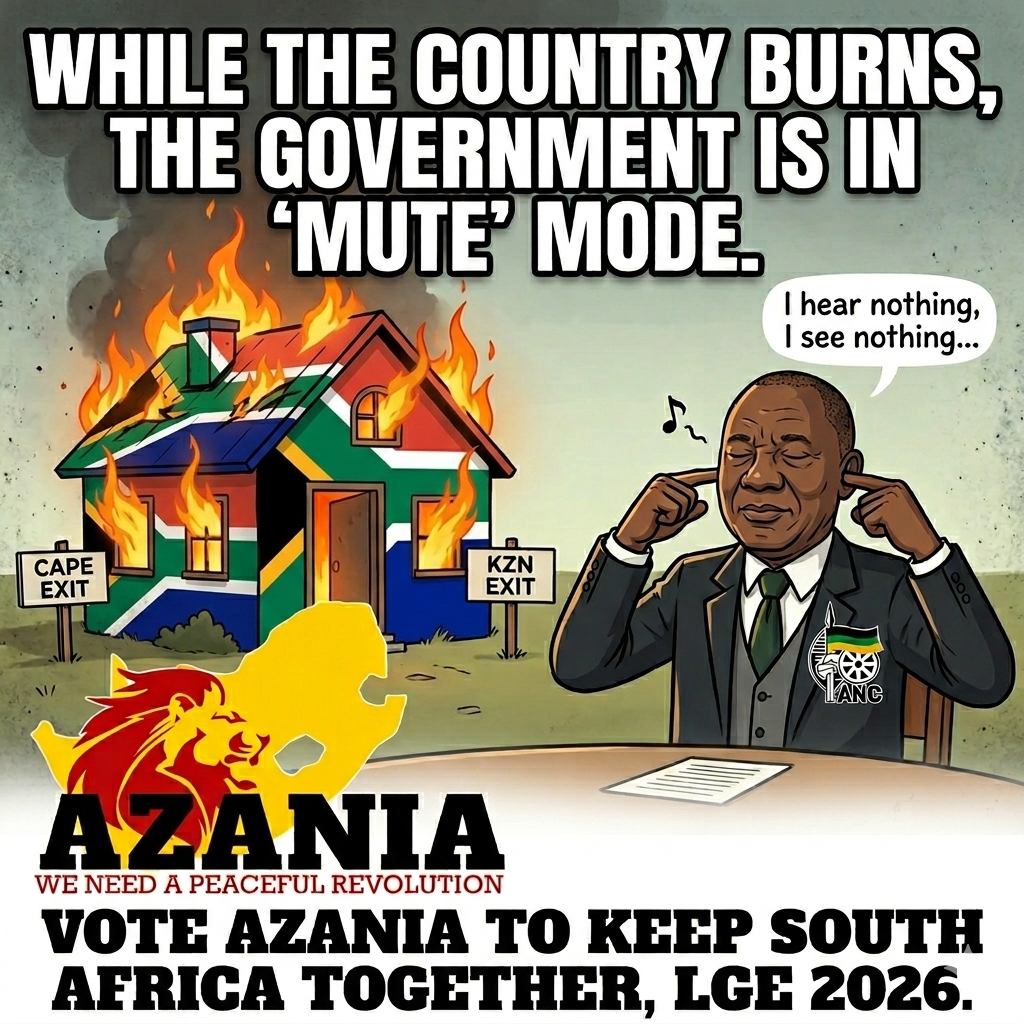
CAPE TOWN — South Africa’s constitutional democracy faces an insidious threat as fringe secessionist movements aggressively push to fracture the republic. While advocates of "CapeXit" in the Western Cape and parallel breakaway drives in KwaZulu-Natal (KZN) frame their agendas as quests for self-determination, they are steering the nation toward a dangerous historical regression compounded by a troubling wall of silence from the African National Congress (ANC) led government.
Behind CapeXit are entities like the Cape Independence Party and the Cape Independence Advocacy Group (CIAG), led by Phil Craig. In KZN, the rhetoric is fuelled by localized political actors exploiting regional grievances. These civil movements actively court foreign validation, with CIAG leadership travelling to the United States to secure right-wing political backing and foreign capital.
Strikingly, these modern secessionist frameworks mirror the architect of apartheid Hendrik Verwoerd’s fragmented vision for South Africa. Verwoerd’s "Bantustan" policy forced millions into separate, nominally independent ethnic homelands to strip black South Africans of their citizenship and rights in a unified republic. By advocating for regional balkanization, modern secessionists are resuscitating a page from Verwoerd’s playbook—seeking to divide the country into isolated enclaves.
Yet, the ANC-led government has met this constitutional existential threat with a glaring, calculated silence. Rather than forcefully reasserting the indivisibility of the democratic state, national leadership has largely ignored the rising tide of separatism, seemingly treating it as a fringe distraction. This lack of robust political pushback allows dangerous rhetoric to fester and normalize in public discourse.
For ordinary citizens, the impact would be catastrophic. Secession would strip millions of their national identity, severing access to national social grants and public infrastructure. Economically, splitting these provinces would shatter supply chains and spark capital flight. Ultimately, these movements threaten to undo decades of painful progress, building walls over socio-economic fractures instead of fixing them.
— The Azanian